
- Entry
- Takes first contact on the site, making space and gathering information.
- AWPer
- Holds long angles with the AWP and looks for the opening duel.
- Lurker
- Plays away from the group, catches rotations, and distracts the opposition.
- Support
- Helps with utility and backs up the entry on the execute.
- IGL
- Calls tactics and buys, and adapts to the opposition.
Why teams use roles and why players can combine them
A team has five players, but that doesn’t mean there are five fixed job titles. Roles show what your teammates expect from you on both T and CT sides. If one player leads the execute, another should be ready to support them, while the IGL can also play with a rifle or the AWP.
On the CT side, 2 more roles often stand out: the anchor holds down a bombsite under pressure and buys time with utility, while the rotator moves over to help once it’s clear where the attack is headed.
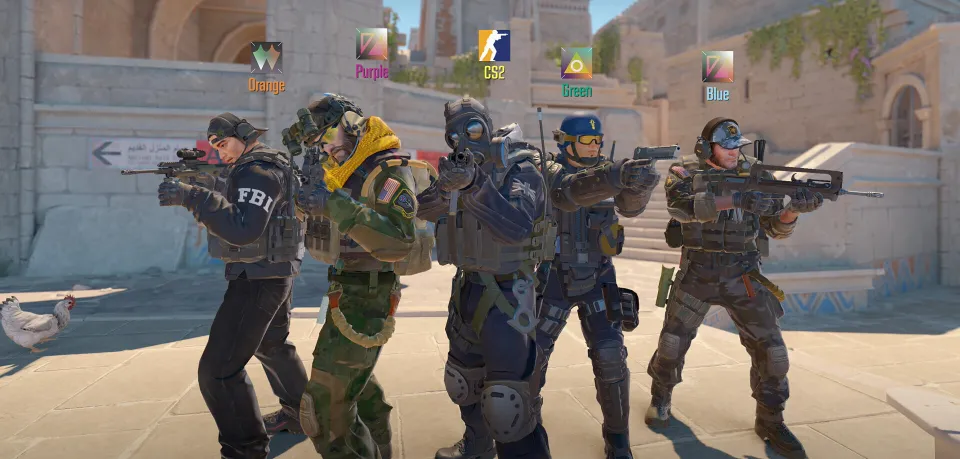
Entry, AWPer, lurker, support and IGL each have different jobs. 'Rifler' mainly describes a player with a rifle, so the label overlaps with other roles. The Pro players section lists two roles for some players. Among 166 players on current rosters with a role filled in, the split looks like this:
| Role | Players |
|---|---|
| Rifler | 83 |
| IGL | 39 |
| AWPer | 39 |
| Entry | 27 |
| Lurker | 11 |
| Support | 8 |
The figures show player roles in lineups as of October 2, 2026. They add up to more than the number of players because one player can appear in multiple rows. You don’t need to build a five-player lineup with exactly one role per person. It’s more useful to split up the jobs and check who’s backing up whom.
What is an entry fragger, and why do teams trade?
An entry fragger takes first contact on the site and gets the round started. The job is about more than getting the first kill: the entry takes space and gathers information on the opposition. The rest of the team uses that opening to continue the attack.
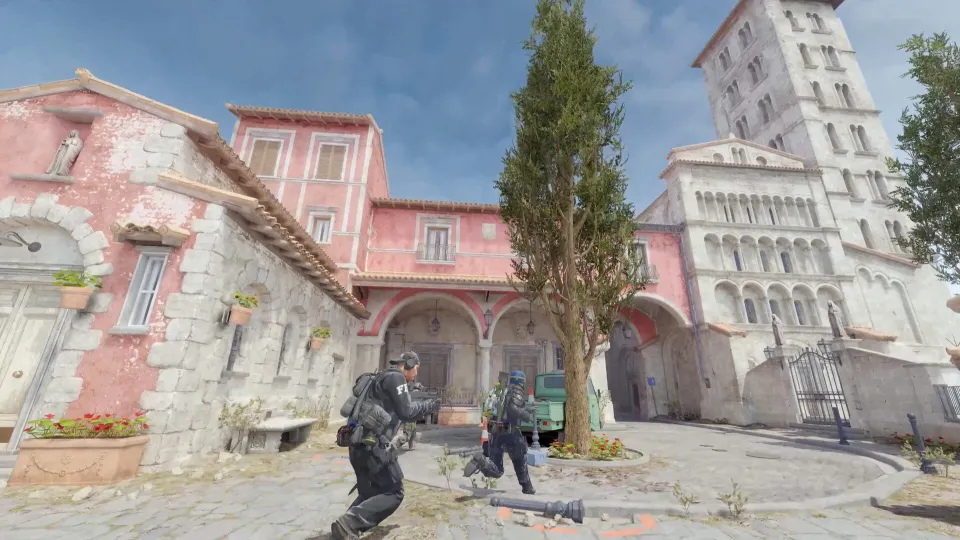
If the entry dies, their teammate should immediately kill the player who stopped them. That’s a trade. For the execute to pay off, the team needs to use the information they gained and take the chance to respond.
- Before the execute, agree on who goes in first and who follows.
- The support sets up utility for the execute, and the entry makes the play with that support.
- The player behind the entry gets ready for the next duel so they can trade their teammate.
Players in this role include NiKo on Team Falcons, donk on Team Spirit, EliGE on Team Liquid, and flameZ on Team Vitality. xertioN of MOUZ is listed with 2 roles: IGL and entry. When you watch them play, pay attention to how they start the execute and what the team does behind the first player.
The AWPer role in CS2: long angles and an expensive weapon
An AWPer holds long angles and looks for an opening duel from a favorable position. Positioning matters: you need an angle where you can catch the opposition. While the entry opens up the site, the AWPer looks for a good line to take the shot.
As of November 7, 2026, the AWP costs $4,750 to buy in the game. That's the weapon's price in a match, no matter its skin. The high price explains why a team usually plays with one sniper: the AWP costs more than the main rifles, and the rest of the team still needs to buy.
| Weapon | In-game buy cost |
|---|---|
| AWP | $4,750 |
| AK-47 | $2,700 |
| M4A4 | $2,900 |
| M4A1-S | $2,900 |
The team supports the AWPer so they can hold their angle: teammates use utility and cover other approaches. We’d agree on who’s taking the AWP first, then split up the remaining jobs. That makes the AWPer part of the team’s buy plan.
Examples of AWPers: sh1ro on Team Spirit, m0NESY on Team Falcons and torzsi at MOUZ. ZywOo from Team Vitality plays both AWPer and rifler, while Jame from PARIVISION is both AWPer and IGL. The AWP doesn't stop a player from taking on another team job.
What is a lurker, and how is the role different from an entry?
A lurker plays away from the main group, usually on the other side of the map. They catch rotations, or moves between positions, and distract the opposition. While the team puts pressure on one area, the lurker looks to take advantage of the response.
The entry opens space for nearby teammates. The lurker works from another angle. The difference between a purposeful lurk and “doing your own thing” is how it connects to the team’s play: holding a separate position should help catch rotations or pull the opposition’s attention away.
Don’t call every solo play a lurk. If your play on the other side of the map isn’t connected to what the team is doing, your teammates won’t know what support to expect from you.
Before the round, agree on what the main group will do and what you’ll handle on your own. Share information during the round that can help the team make a call. Playing independently works when the team understands why you’re in that position on the map.
Pro lurkers include ropz on Team Vitality, Spinx on MOUZ, and KSCERATO on FURIA. huNter- of G2 Esports and blameF of BIG combine lurking with the IGL role. Playing away from the group can go hand in hand with leading the team.
Support: utility for the execute and help for the entry
The support player helps the team with smokes and flashbangs, backs up the entry, and usually follows them in. Their job connects the setup for an execute with the opening duel. Utility should help a teammate make their play at the right moment.
Agree with the entry on when they’ll go in and what support they need. If the first player is already fighting while the support is still setting up a flash, the team hasn’t made a coordinated play. After using utility, the support should follow the execute and be ready to back up their teammate with gunfire.
- Set up utility for the team’s agreed execute.
- Time your flashbang with the entry’s move onto the site.
- Follow up after using utility and be ready to trade the first player.
- Keep the team’s buy plan in mind: the support often drops a weapon for a teammate.
Players in this role include b1t on Natus Vincere, Jimpphat on Aurora Gaming, JDC on BIG, and sjuush on Ninjas in Pyjamas. When you watch them play, note who they help and when. Judge their utility by how it sets up the execute and supports the opening duel.
What is an IGL, and what decisions does the captain make?
The IGL (in-game leader) calls the tactics, makes economy decisions, and adapts to the opposition during the match. They decide where the team goes and what it buys, using information from the other players.
The IGL role can be combined with another one. huNter- from G2 Esports plays lurker, Jame from PARIVISION plays AWPer, xertioN from MOUZ plays entry, and Twistzz from FaZe Clan plays rifler. apEX from Team Vitality is listed as IGL.
- Before the play, the IGL sets the plan and agrees on the buy.
- During the round, players share information about the opposition.
- The IGL uses that information to adjust the tactics and direct the team.
With a group of friends, we’d pick one person to make the team call in advance. It’s simple: if everyone suggests a different plan at once, no one knows which one to follow. The others should still share information and help the IGL read the opposition.
Rifler: a rifle player with different jobs
Rifler plays with a rifle and forms the team's main firepower. It's the most common role among players with a listed specialization in the Pro players section: 83 out of 166. But the word 'rifler' alone doesn't tell you who entries first or who calls the round.
Within this role the jobs vary. A rifler can also be the IGL, and an AWPer can have rifler listed as a second role. For example, Twistzz from FaZe Clan and FalleN from FURIA combine rifler and IGL.
- Trade
- A teammate immediately kills the opponent who killed the first player.
- Rotation
- An opponent’s move between positions, which a lurker can catch.
- Rifler
- A player who uses rifles; their responsibilities on the team can vary.
Examples of riflers: NAF on Team Liquid, frozen on FaZe Clan and HObbit on PARIVISION. For your own five, be specific about the job: 'I play rifle and go in first' is more useful than just 'I'm a rifler'. Teammates know right away what help to expect.
How to choose a role for your team or in matchmaking
Start with what you’re good at and what you’re willing to do for the team. We’d choose a role based on specific actions. Strong aim at long range, confidence in opening duels, and good timing with flashbangs all point to different jobs.
- Good at holding long angles and choosing a position for the opening duel? Try the AWP.
- Ready to take first contact on the site and make space for the team? Try entry.
- Prefer playing solo on the other side of the map? Try lurking, with a plan that fits the team.
- Good at helping with utility and working with the first player in? Try support.
- Ready to call tactics, discuss buys, and change the plan based on information? Try IGLing.
In matchmaking, agree on responsibilities at the start of the match. Decide who wants the AWP, who takes first contact, who supports the execute, and who makes the calls. Roles don’t have to stay fixed; players can share responsibilities, just like in pro lineups.
Before the execute, name the first player and the teammate following them. That quick call gives the entry support and a partner ready to trade.
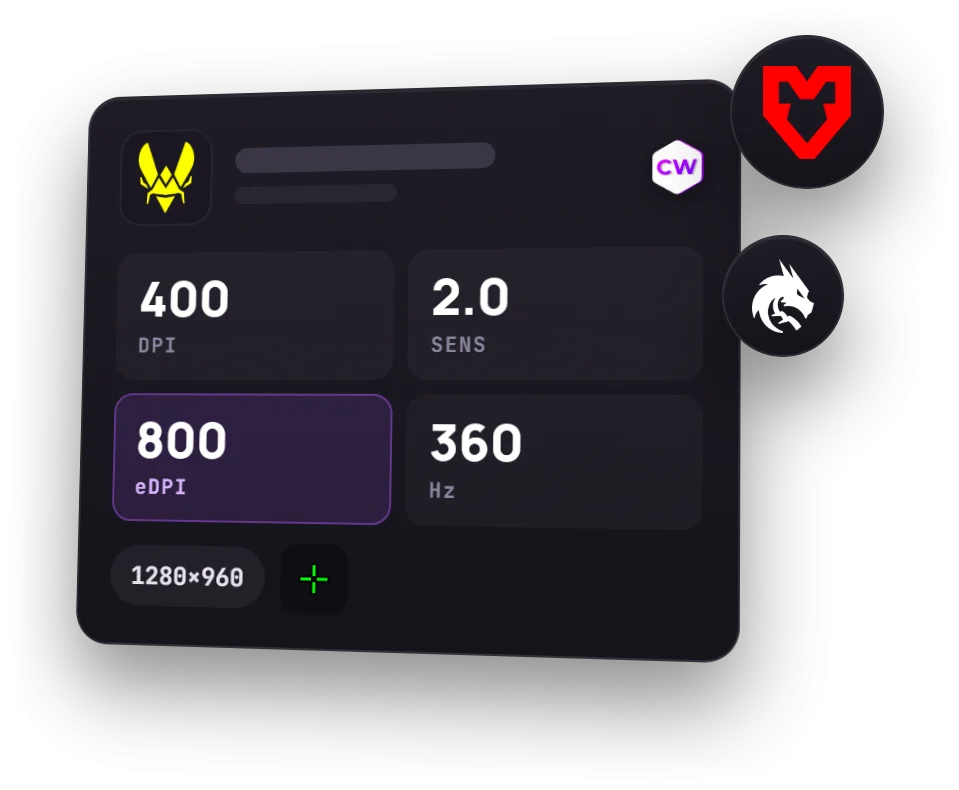
Watch a pro who plays the same role. You can pick a player in the section and open their page to see their team, role, settings, and career. When you watch a match, pay attention to their decisions: where they start the play, who they help, and how their actions connect with the rest of the team.
Frequently asked questions
What roles are there in CS2?
The main team jobs are split between entry, AWPer, lurker, support and IGL. Rifler is a rifle player whose duties can vary. Some players combine two roles, such as IGL and AWPer.
What is an entry fragger?
An entry fragger takes first contact on the site, makes space, and gathers information on the opposition. Getting a kill isn’t the only goal. If the entry dies, the teammate following them should be ready to trade immediately.
What does a lurker do in CS2?
A lurker plays away from the main group, usually on the other side of the map. They catch rotations and distract the opposition. Their solo play should support the team’s plan.
What does an IGL do in CS2?
The IGL picks the tactics, decides where the team goes and what to buy, and adapts to the opposition. They use information from teammates to adjust the plan as the match unfolds. IGLs often take on another role too.
What role does donk play?
donk of Team Spirit is listed as an entry. That role means taking first contact on the site, making space, and gathering information for the team. Teammates help keep the execute going and trade the opening duel.