
CS2 Rarity Colors: From Gray to Gold
Weapon finishes have six main tiers, from Consumer Grade to Covert. Knives and gloves are classified as Extraordinary and marked in gold. Contraband is a separate category: these items have been removed from circulation, and no new copies are released.
| Rarity | Color | Skins in Caseway Wiki |
|---|---|---|
| Consumer Grade | Gray | 200 |
| Industrial Grade | Light Blue | 204 |
| Mil-Spec | Blue | 446 |
| Restricted | Purple | 310 |
| Classified | Pink | 183 |
| Covert | Red | 107 |
| Extraordinary — knives and gloves | Gold | 522 |
| Contraband | Orange | 1 |
The count in the table shows how many skins of each category are listed in Caseway Wiki, not the odds of getting them from a case. For example, having a large pool of knives and gloves doesn’t make a gold drop common: the number of possible items and the odds of the category dropping are different measures.
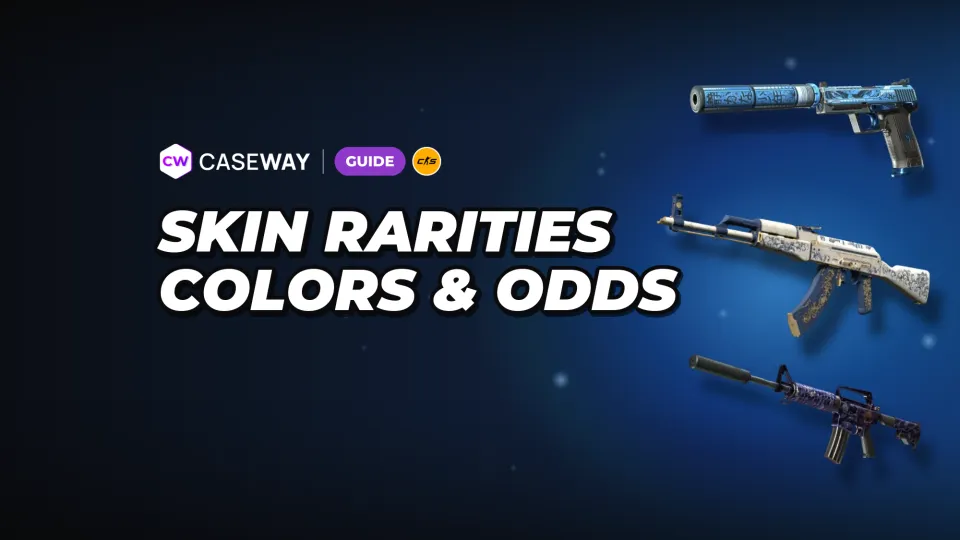
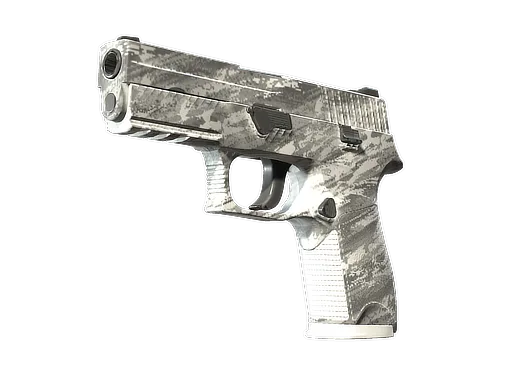
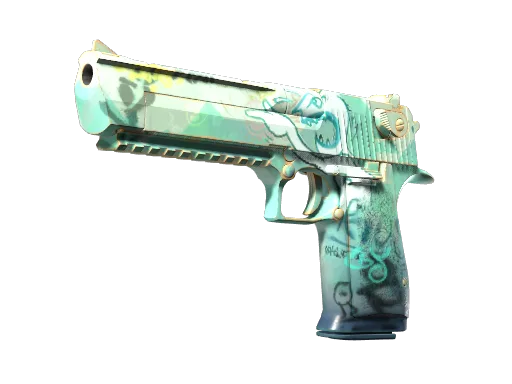
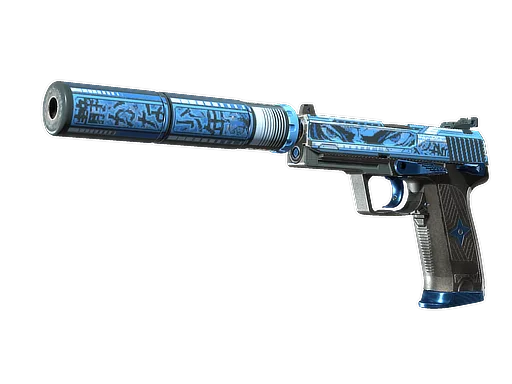
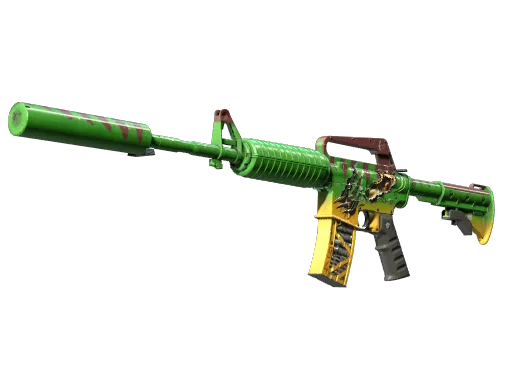
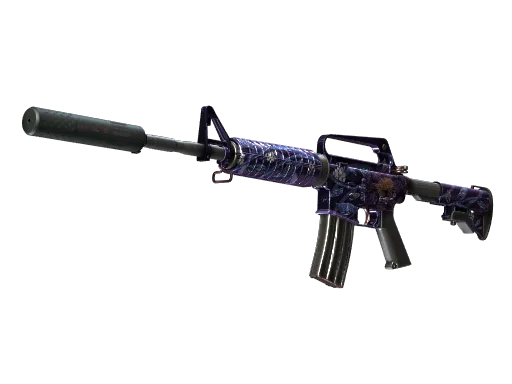
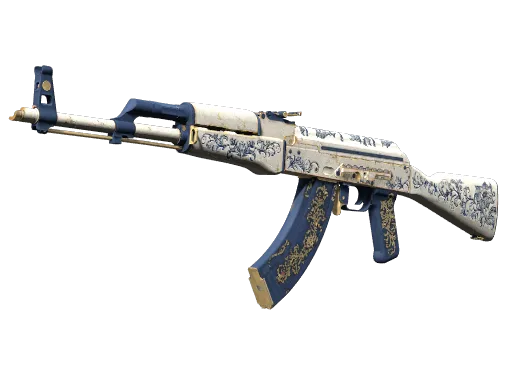
Here’s how the tiers look on popular skins, from Consumer Grade to Covert—one example per tier, with prices for Field-Tested wear:
CS2 Case Odds: Chances for Each Rarity
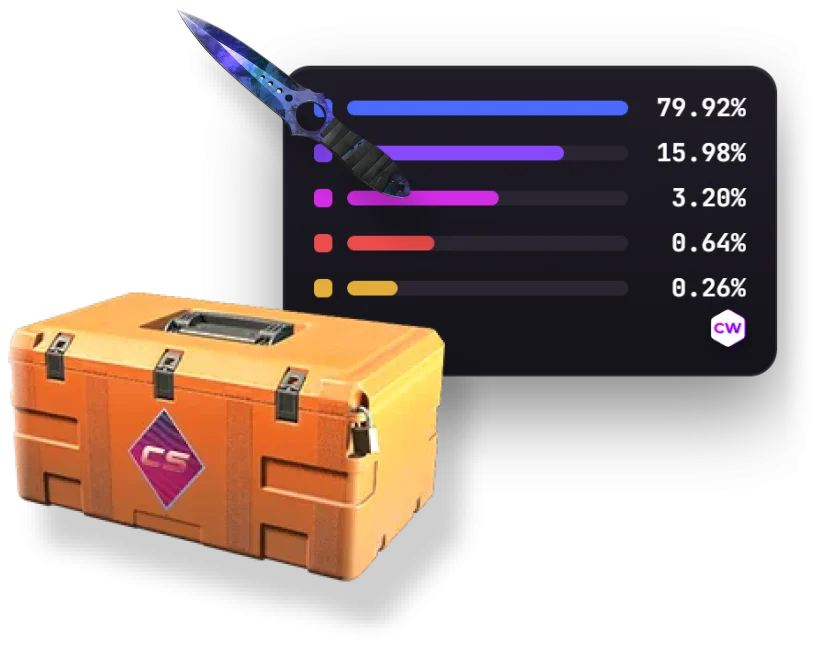
Valve’s published odds for cases list five possible results: Mil-Spec, Restricted, Classified, Covert, and an extraordinarily rare item. The gray and light blue tiers from the full rarity scale aren’t included. So don’t read the full weapon finish rarity scale as a list of possible case drops.
| Case drop | Odds |
|---|---|
| Mil-Spec | 79.92% |
| Restricted | 15.98% |
| Classified | 3.2% |
| Covert | 0.64% |
| Knife or gloves | 0.26% |
This is the chance for the entire category, not for an individual skin. Skins of the same rarity in a case have equal drop odds. The 0.64% figure applies to all Covert items in the case; it doesn’t mean each red skin has a 0.64% chance of dropping. See the odds and estimated item values in the Case ROI tool.
What a 0.26% chance of a knife drop from a case means
A 0.26% chance works out to roughly one knife or glove drop every 385 openings. That describes probability, not a drop schedule. It doesn’t guarantee an Extraordinary item by a particular opening or determine the exact outcome of a series.
How StatTrak™ relates to rarity
StatTrak™ is an item feature, not another tier on the color scale. According to the Case ROI tool, every tenth item from a case is StatTrak™. Gloves don’t come in this version: their Extraordinary rarity doesn’t change that exception.
Where knives and gloves come from
When opening a case, you can get a knife or gloves as an Extraordinary item instead of a regular weapon skin. A gold drop is a separate category in the odds distribution. A red drop means a Covert weapon skin, not a knife.
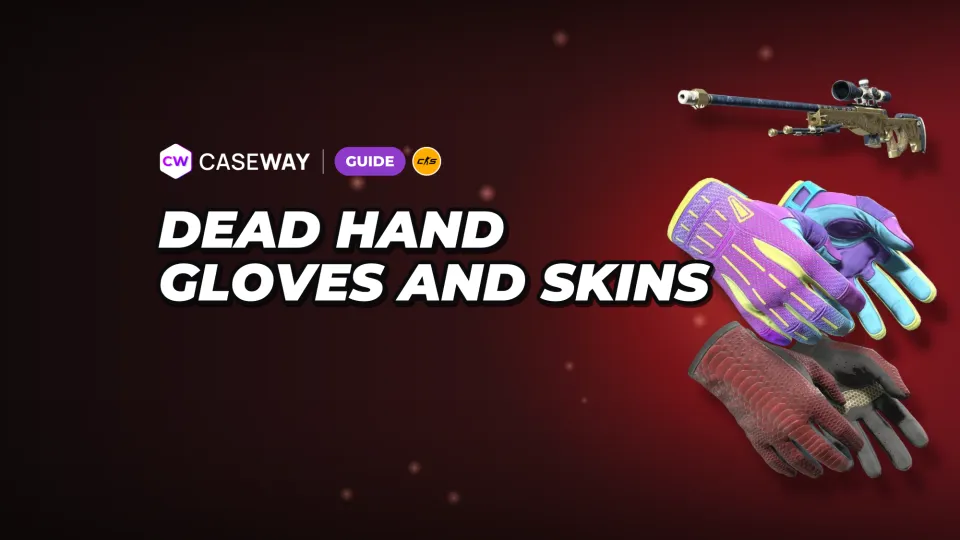
Gloves are extremely rare, but they don't come only from cases. The Dead Hand Collection (March 2026) adds 22 new pairs of Gloves, available from the Dead Hand Terminal, which drops as a weekly reward.
Since October 22, 2025, you can trade up 5 Covert skins for a knife or Gloves from a collection represented by one of the input items. If all 5 skins are StatTrak™, the result can only be a StatTrak™ knife; StatTrak™ Gloves don't exist. The collections of the input items matter: this doesn't let you trade up for any knife or Gloves in the game. Check the trade-up requirements in the CS2 Trade-Up Calculator.
- In a case, a knife or gloves are an Extraordinary drop with a 0.26% chance.
- The special trade-up uses five Covert skins from cases as input items.
- The result of this trade-up is tied to the cases the input skins come from.
You can check container contents in the CS2 Cases and Containers Wiki.
Why rarity doesn’t equal price
The color scale shows an item’s category, but it isn’t a price list. You can’t use it to determine the value of a specific skin or whether opening a case is profitable. Even a very low chance of a gold drop doesn’t tell you how much the item will be worth.
In our view, when comparing prices, it’s more useful to look at the specific skin, its wear, and the popularity of its design, and treat rarity as just one factor. Demand is tied to a specific item, while a color groups an entire category. This is a way to compare items, not a rule that every higher-rarity item must cost more than every lower-rarity one.
What a case’s ROI tells you
A case’s ROI is the average price of the item you get divided by the cost of opening the case—that is, the case and the key. It’s a way to assess the average outcome, not a promise about the value of your next drop. According to Caseway Case ROI, opening cases is unprofitable over the long run.
Trade-Up Contracts: Moving Up a Rarity Tier
The basic trade-up rule is simple: ten skins of the same rarity give you one skin of the next rarity from the input items’ collections. Two conditions apply: all input skins must have the same rarity, and the result must be tied to their collections. You can’t choose any item you want from the next tier.
Since May 22, 2026, you can include Souvenir items alongside regular items in a trade-up contract. Their Souvenir attributes are removed, and you get a regular item one tier higher from one of the collections represented by the input skins.
- Make sure all input skins have the same rarity.
- Find out which collections the skins belong to.
- Check the possible next-tier results in the Trade Up Contract Calculator.
For example, Restricted is followed by Classified, and Classified is followed by Covert. Moving from Covert case skins to knives or gloves follows a separate rule involving five items, described above. Don’t confuse it with the standard trade-up rule that uses ten skins.
Before putting together a trade-up, check it in the Trade Up Contract Calculator. The rarity of the input items isn’t the only thing that matters—their collections matter too. This helps show which results are possible for that specific set of items, rather than for the entire next rarity tier.
Frequently Asked Questions
What’s the rarest rarity in CS2?
For case drops, the lowest odds are for the Extraordinary category—knives and gloves—with a 0.26% chance. Covert is the highest of the main weapon finish tiers. Contraband is a separate category: Caseway Wiki lists one skin in it, and no new copies are released.
What are the odds of getting a knife from a case?
Valve’s published odds for an extraordinarily rare drop are 0.26%, or roughly one drop every 385 openings. Depending on the case contents, this category includes knives or gloves. The number of openings does not guarantee a drop.
What does a red skin mean?
Red indicates Covert rarity. This category accounts for 0.64% of case drops. A red bar doesn’t mean the item is a knife or gloves: Extraordinary items are marked in gold.
Can gloves have StatTrak?
No, gloves don’t come in StatTrak™. The rule that “every tenth item from a case is StatTrak™” doesn’t mean you can get StatTrak™ gloves.